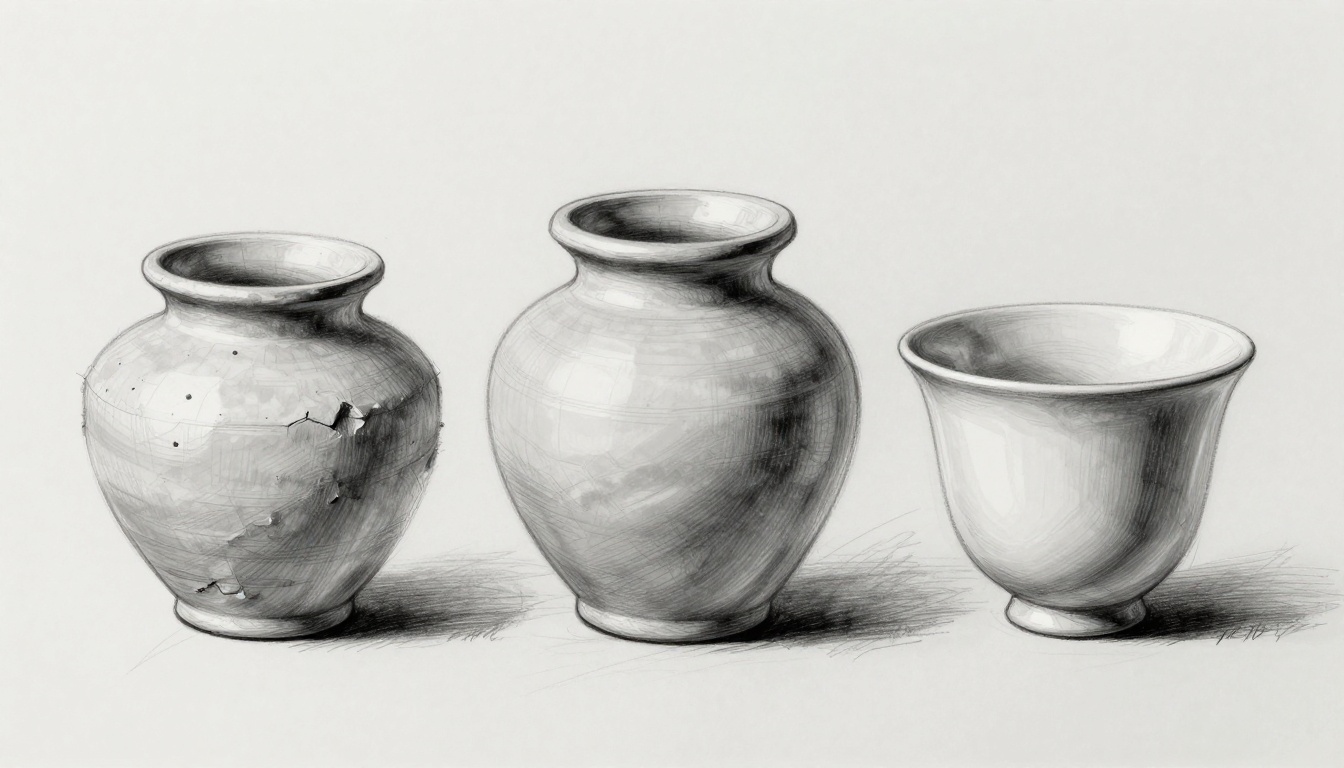
Picture this: You’re wandering a store, eyeing vibrant plates for your kitchen. They look perfect, but one dishwasher cycle later, cracks spiderweb across them. That’s earthenware biting back because it hates high heat.
You’ve stared at pottery labels, unsure which fits your needs. Maybe you’re stocking a home, hunting collectibles, or firing your first pieces in a kiln. Spotting the differences means smarter buys, durable collections, and pots that hold up.
Ceramics hobbies surge right now, with sales of clays and classes climbing fast into 2026. In addition, folks love the hands-on calm it brings. This post breaks down what each clay includes, firing temps, key traits, best uses, and a side-by-side matchup.
You’ll get clear takeaways to pick right every time. First, earthenware sets the stage.
Earthenware: The Cozy, Rustic Pottery Favorite
Earthenware feels like a hug from history. Ancient folks in places like Mesopotamia and ancient Egypt molded it from local clays over 10,000 years ago. They crafted simple pots for cooking and storage, relying on abundant red or white clays high in iron content. Today, potters still fire it at low temperatures, around 900 to 1100°C. That process leaves it porous and gives it those inviting earthy colors: reds, browns, and oranges from the iron oxidizing during firing.
In short, earthenware stays affordable and lightweight. Artists love its raw, handcrafted vibe for decor. However, it chips easily and often skips the microwave because sudden heat shocks crack it. Stains sneak in too without a good glaze. Terra cotta offers a fun twist; it’s unglazed earthenware that Romans piped water through and sculpted gods from. Check out ancient terra cotta history for cool examples.
Modern makers keep it alive. Mexican pottery, like colorful Talavera pieces, brightens markets and kitchens. You get bold patterns on everyday dishes that nod to old traditions.

How Earthenware Gets Its Unique Look and Feel
Potters start with iron-rich clay that stays soft. They shape it by hand or wheel, then dry it slow. Firing at low heat, 900 to 1100°C, melts minerals just enough for strength but not full density. As a result, tiny pores form, letting it soak up water like a sponge.
Iron in the clay turns red or brown as oxygen hits it in the kiln. That creates the cozy rustic charm you spot right away. Glazing changes everything. A liquid glass coat fired on top seals those pores, making it waterproof for food use. Without glaze, it stays breathable; think terra cotta planters that wick moisture to roots.
Unglazed versions shine outdoors. They age with patina over time. Glazed ones hold liquids tight, perfect for casual mugs.
Best Everyday Uses for Earthenware
Earthenware fits relaxed home life best. Its low cost and charm make it a go-to for simple tasks. However, handle heat with care; it shatters under quick changes.
Here are practical spots where it shines:
- Planters and garden pots: Porous walls release excess water, keeping soil from sogginess. Ideal for herbs on your windowsill.
- Tagines and slow cookers: Moroccan tagines stew meats tender over low stove heat. The clay adds earthy flavor.
- Kids’ crafts and play sets: Safe, lightweight pieces spark creativity without worry.
- Decor accents: Vases or wall tiles bring warmth to shelves.
Skip ovens or microwaves, though. Direct flame works for some glazed items, but test first. For casual tableware like serving bowls, it adds rustic style to picnics. In addition, flower frogs hold stems in arrangements. Always choose food-safe glazes to avoid lead risks.
Stoneware: Built Tough for Real Life
Stoneware steps up as mid-range vitrified pottery. Potters mix ball clays, kaolin, feldspar, and flint for density. They fire it hotter, between 1100 and 1300°C. That process fuses the body tight, so it stays non-porous even unglazed. You end up with chip-resistant pieces in neutral grays and browns that hold heat even.
Most importantly, stoneware thrives in real kitchens. It takes oven blasts, microwave zaps, and dishwasher spins without complaint. Everyday mugs, plates, and bakeware rely on it. Yes, it weighs more than earthenware and skips porcelain’s glow. However, American dinnerware brands push it hard for family meals. Think durable sets that last years.
The Firing Magic That Makes Stoneware Strong
High heat sparks vitrification in stoneware. Silica melts into glass, then binds clay particles together. Water absorption falls under 3%. Earthenware can’t match that; its cooler 900 to 1100°C firing leaves 10 to 20% absorption. Pores stay open, so it cracks from trapped moisture.
Potters ramp the kiln slow at first. Around 1200°C, the body turns glassy and strong. Glaze or no glaze, stains bounce off. In contrast, earthenware needs thick glaze just to hold soup. Stoneware skips the worry. For example, test it yourself: drop water on unglazed stoneware, and it beads up.
This strength shows in daily use. Plates stack high without dings. Bowls go from freezer to oven fine.
Why Stoneware Wins for Kitchen Warriors
Thermal shock resistance sets stoneware apart. Dense clay expands slow with heat changes. Grab a pie dish from a 400°F oven? It cools on the counter steady. Earthenware would split right there.
Fermenters grab stoneware crocks first. Thick walls keep temps even for sauerkraut batches. Kimchi jars stay sealed weeks without leaks. In addition, bakers love loaf pans that brown crusts perfect.
Here is why it rules busy homes:
- Casseroles hold shape through bake and fridge shifts.
- Mugs stay hot longer for coffee sips.
- Plates scrub clean after saucy meals.
Heavier build means fewer toss-outs. You save cash over time. Check fermentation crock guides for picks that last.

Porcelain: Elegant and Crystal-Clear Perfection
Porcelain tops the list as the high-end choice among these clays. Chinese potters invented it during the Tang Dynasty around the 7th century. They blended pure kaolin, petuntse, and feldspar for a refined body. Then they fired it at very high temps, 1200 to 1400°C. That process turns it white, smooth, and non-porous. Thin pieces glow translucent. Tap one; it rings clear like a bell. You get beauty and stain resistance, plus thin walls that stay strong. However, it costs more. It chips if you drop it. Not all pieces handle microwaves well.
Most importantly, porcelain suits fine dining and display. Think elegant vases or dental crowns. It outshines stoneware’s toughness with pure grace. In contrast, earthenware feels rustic next to this polish.

What Sets Porcelain’s Firing Apart
Potters push kilns to 1200 to 1400°C for porcelain. That extreme heat melts silica into a glass-like matrix. Particles fuse completely. As a result, no pores remain. Water absorption drops near zero. Stoneware hits similar strength at lower temps, but porcelain gains translucency too.
Test it easy. Hold a thin plate to light. You see shadows through the edge. That’s the glass quality shining. Kaolin stays white because it lacks iron. Petuntse, a fused rock, lowers melting point just right. Feldspar adds flux for smooth flow.
In short, this firing demands skill. Ramp slow to avoid cracks. Cool gradual too. You end up with pieces that gleam and endure light use.
Perfect Projects and Pieces for Porcelain Lovers
Porcelain calls for delicate, showy items. Skip heavy bakeware; save that for stoneware. Instead, craft teacups that feel light in hand. Vases highlight curves and shine on shelves. Art sculptures catch eyes at galleries.
Bone china tweaks the recipe. Makers add bone ash, up to 50%. It boosts whiteness and chip resistance. British potters popularized it in the 1700s. Teapots and figurines thrive in this variant.
Consider these favorites:
- Fine china dinner sets for special meals.
- Lamp bases that diffuse light soft.
- Jewelry like pendants or rings.
- Decorative tiles for bathrooms.
Display them proud. Dust gentle. They reward care with timeless appeal. For history buffs, see Chinese porcelain origins.
Earthenware vs Stoneware vs Porcelain: Break It Down
You know each clay body’s strengths now. However, side-by-side facts make choices clear. Let’s compare earthenware, stoneware, and porcelain on key traits like firing temperature, water absorption, and more. This quick chart shows why one fits your mugs better than vases.
| Property | Earthenware | Stoneware | Porcelain |
|---|---|---|---|
| Firing Temp | 900-1100°C | 1100-1300°C | 1200-1400°C |
| Water Absorption | 10-20% (porous) | Under 3% (low) | Near 0% (vitrified) |
| Durability | Chips easy; heat shocks crack | Chip-resistant; thermal stable | Strong but chips on drops |
| Color | Red, brown, orange (iron-rich) | Gray, brown (neutral) | White, translucent |
| Price | Low ($5-20/piece) | Medium ($15-40/piece) | High ($30+/piece) |
| Best Uses | Planters, decor, tagines | Dinnerware, bakeware, crocks | Teacups, vases, fine china |
Stoneware wins for busy kitchens because it handles ovens and dishwashers best. Porcelain shines for display; its glow impresses guests. Earthenware saves cash for garden pots. In short, match your needs: daily tough use picks stoneware, elegant shows choose porcelain, casual rustic goes earthenware.
Which holds food safest? Glazed stoneware or porcelain. Both block bacteria with tight vitrification. Earthenware needs thick, food-safe glaze to avoid lead leaching. Check labels or test with vinegar; no reaction means safe. For example, see USDA glazing safety tips.
How do you choose? List your must-haves first. Need oven-safe plates? Grab stoneware. Want thin, ringing teacups? Porcelain delivers. Budget garden decor? Earthenware works fine. Test pieces in stores to feel differences.
Quick Tests to Identify Your Pottery at Home
Unsure about that thrift find? Run these easy checks without a kiln. They reveal clay type fast through sound, soak, and heft.
Start simple. Tap test for ring. Hold the piece by fingers. Flick the edge with a fingernail. Porcelain sings a high, clear bell-like tone because it’s dense and glassy. Stoneware clunks dull. Earthenware thuds soft from open pores.
Next, porosity check with water. Drip water on an unglazed spot or bottom. Earthenware soaks it up quick, darkening in seconds. Stoneware beads it off. Porcelain ignores it completely. Wait two minutes; no dark spot means vitrified clay.
Finally, feel weight and thickness. Pick up similar-sized pieces. Porcelain feels light yet strong, with thin walls you see light through. Stoneware weighs heavy, thick like a tank. Earthenware stays light but rough. Rub your finger; porcelain chills cool and slick.
These tricks work 90% of the time. Practice on known pieces first. Got a mix? Scratches or chips show clues too: earthenware flakes red clay inside.

For pro advice, read this pottery ID guide from Ceramic Arts Network. You’ll spot fakes and treasures easy.
Pick the Perfect Pottery for Your Home
Your home deserves pottery that matches your daily rhythm. Think about how you live first. Casual vibes call for earthenware. Busy family meals need stoneware. Elegant dinners suit porcelain. In addition, 2026 trends lean toward sustainable clays from recycled materials. Potters mix in reclaimed scraps for eco-friendly pieces that last. These options cut waste and keep costs down.
Match your style to the right clay. Start with your routine. Do you host big parties or keep things simple? Here’s how each fits.
Casual Living Loves Earthenware
You relax at home with low-key decor. Earthenware brings that cozy feel. Its earthy tones warm up shelves and tables. Planters thrive here because porous clay keeps herbs happy. In addition, tagines simmer stews slow on the stove.
Pick it for patios or kids’ rooms. Light weight makes it easy to move. However, skip the dishwasher; hand wash keeps cracks away. Sustainable versions use local dirt clays now. They age with a natural patina you love.
Family Kitchens Choose Stoneware
Meals fly fast in family homes. Stoneware handles the chaos. Oven-to-table dishes stay tough through spills and stacks. Mugs hold coffee hot for rushed mornings. As a result, you replace less often.
Dense body resists chips from little hands. Dishwasher cycles clean it quick. For example, crocks ferment veggies without leaks. Look for stoneware with recycled stone additives in 2026 lines. They boost strength green-style. See sustainable stoneware options for top picks.
Special Occasions Shine with Porcelain
Guests arrive for holidays. Porcelain sets the table right. Translucent cups glow under lights. Vases display flowers elegant. Thin strength impresses without bulk.
It rings clear when you toast. However, store careful to avoid drops. Bone china variants add chip resistance for heirlooms. Trends mix it with organic kaolin sources now. They stay white pure.

What fits your space? Grab stoneware for everyday wins. Test in stores for feel. Share your picks in the comments below. Which clay rules your kitchen?
Conclusion
Earthenware offers rustic charm but stays porous and heat-sensitive. Stoneware delivers tough, everyday strength with low absorption and oven safety. Porcelain brings elegant translucency yet demands gentle care.
This knowledge saves you from cracked plates and bad buys. You pick pieces that fit your life, so kitchens stay stocked with joy.
Try your hand at pottery making or hunt vintage finds this weekend. Share your favorites in the comments. Subscribe for more home tips, and pin this guide to help friends choose smart.