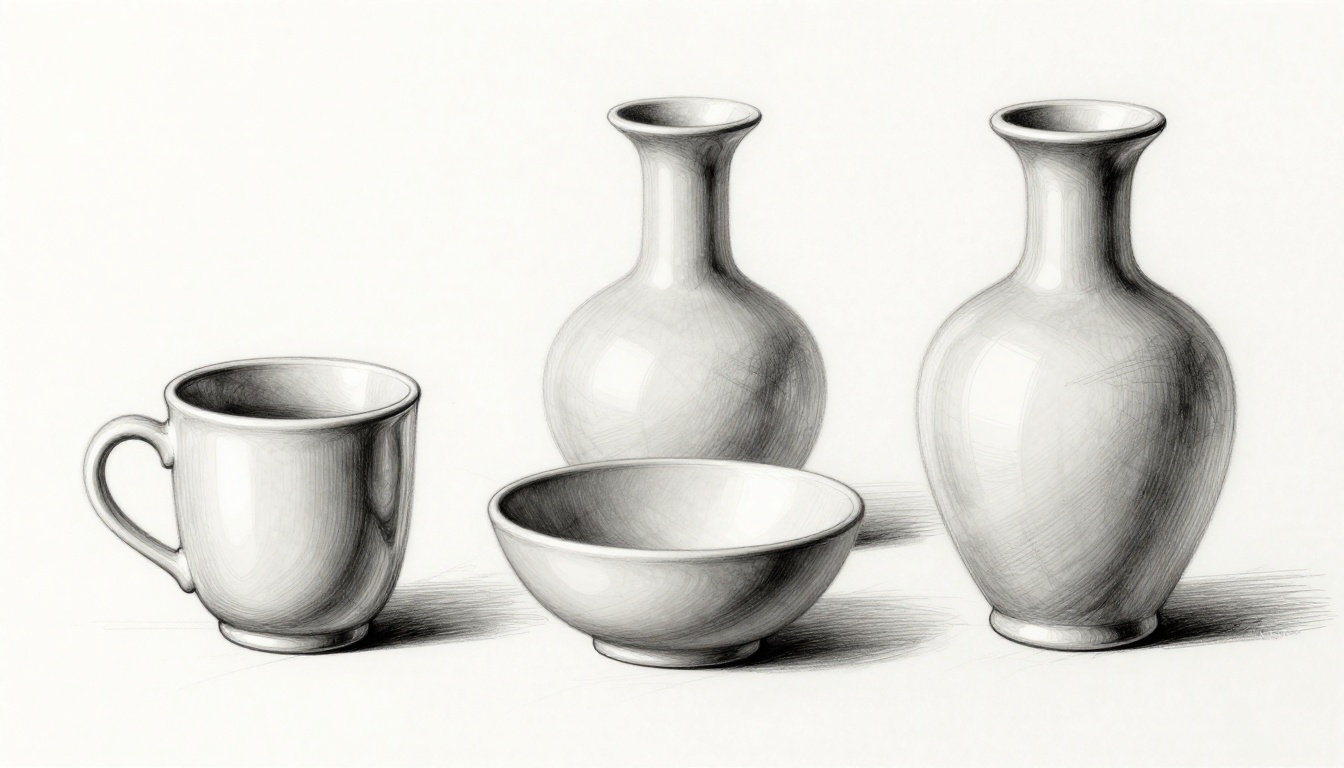
Picture this. You pull your favorite hand-thrown mug from the kiln. Light hits it one way, and it gleams like a jewel. Another piece sits dull and soft next to it. What’s the secret? Glazes. These colorful coatings protect pottery and set the final look after high-heat firing.
You might wonder which finish suits your next project. Gloss glazes shine bright. Matte ones feel velvety. Satin strikes a balance. Hobbyists and pros alike mix them up because each changes how light plays on clay. Pick wrong, and your bowl shows fingerprints or scratches fast.
In this post, we break down gloss, matte, and satin glazes by shine, touch, strength, and best uses. You’ll see a handy comparison table too. Let’s get into it.
Gloss Glazes: Bright Shine for Eye-Catching Pieces
Gloss glazes melt smooth in the kiln. High silica content creates that mirror-like surface. Light bounces right off, making colors pop.
Artists love this effect for bold work. It mimics car wax on a fresh polish. Dust shows up before firing, so clean your greenware well. Still, the result dazzles.
A glossy vase catches the kiln’s glow, highlighting its smooth shine.
Popular colors stay vibrant over time. Think deep blues or fiery reds that don’t fade.
Appearance and How It Feels
Gloss delivers a high-shine look. It resembles varnished wood under bright lights. The surface reflects everything around it.
Touch it, and fingers glide over. Almost slippery, yet firm. Colors appear richer because light amplifies them. In contrast, uneven spots stand out more.
Strength and Everyday Care
This glaze forms a hard glassy layer. It resists scratches better than others. Chips happen less often too.
Most pieces go in the dishwasher. Wipe with a soft cloth and mild soap. Avoid abrasives that dull the shine over years. For example, a glazed plate handles daily meals without worry.
Projects That Shine with Gloss
Use gloss on dinnerware. Plates and bowls stay clean and bright. Vases draw eyes in any room.
Outdoor tiles work well because rain beads off. Lampshades glow soft when lit. Modern styles pair perfect with this bold finish. Check out gloss glaze recipes from Ceramic Arts Network for your next test.
Matte Glazes: Soft, Velvety Vibes for Subtle Beauty
Matte glazes absorb light instead of reflecting it. More clay or chalk in the mix stops the shine. The surface stays flat and inviting.
It feels powdery, like suede next to leather. Flaws hide easy under this finish. Trends lean minimalist, so demand grows.
However, it soaks stains more. Not always food safe without extra steps. Sculptors pick it for art pieces.
A matte pot shows its soft, non-reflective texture up close.
Eco options use natural ingredients. They appeal to green potters in 2026.
Look and Tactile Texture
No gloss here. The flat surface varies in color depth. Shadows add artistic layers.
Dry touch invites you to hold it. Not slick at all. This draws fingers to explore.
Durability Realities
Porous nature means less protection. Seal it for heavy use. Hand wash keeps it safe.
It lasts if you avoid rough handling. Outdoors, weather wears it faster. Still, beauty holds up indoors.
Ideal Spots for Matte Magic
Decorative planters thrive. Exteriors on teapots hide drips. Wall art fits modern homes.
Sculptures stand out in galleries. Pair with wood tables for rustic charm. See matte glaze tips from The Spruce Crafts to start.
Satin Glazes: Gentle Sheen Hits the Sweet Spot
Satin mixes gloss and matte traits. Balanced formulas give a soft glow, like an eggshell. Not too shiny, not flat.
Silky smooth to the touch. Durable yet forgiving on clay bumps. Colors hold well without bold glare.
This hybrid rises in popularity. Custom ceramics shops stock more in 2026. It fits most styles.
A satin mug offers balanced shine for everyday use.
Pearlized paint comes close in feel. Versatile for beginners.
Visual and Touch Appeal
Low luster warms the piece. Gentle glow enhances without overwhelming.
Smooth, not slippery. Comfortable in hand for hours.
Performance and Maintenance
Strong barrier fights stains. Most handle dishwasher cycles. Wipe easy between uses.
Longevity matches gloss close. Less prone to shows smudges.
Versatile Uses for Satin
Mugs and bowls shine daily. Functional art sells well as gifts.
Lamps or trays add subtle class. Tableware suits any kitchen.
Gloss vs Matte vs Satin: Spot the Differences Fast
Quick scan this table. It sums shine, feel, and fit side by side.
| Feature | Gloss | Matte | Satin |
|---|---|---|---|
| Shine Level | High reflect | None | Low sheen |
| Texture | Slippery smooth | Powdery dry | Silky smooth |
| Durability (1-10) | 9 | 6 | 8 |
| Cleanability | Excellent | Fair (seals help) | Very good |
| Best Use | Food/dinnerware | Decor/sculpture | Everyday all-rounder |
Firing temps run similar, around cone 6. Recipes set the finish though. Clay body affects results too.
Gloss tops toughness. Satin follows close. Matte needs care most.
Shine, Color, and Light Play
Gloss maxes reflection. Colors saturate bright. Satin offers mild pop. Matte zeros shine, but depth builds from variation.
Light changes everything. Test in your studio.
Strength, Waterproofing, and Longevity
Gloss leads waterproofing. No soak through. Satin seals well. Matte absorbs unless treated.
Daily wear favors gloss first.
Matching to Your Needs and Style
Functional? Go gloss or satin. Decor only? Matte wins.
Bold modern? Gloss. Subtle rustic? Matte. Balanced? Satin. Quiz yourself: What’s the main job?
Pick Your Perfect Glaze: Simple Steps to Decide
Start with function. Food safe needs gloss or satin. Decor opens matte options.
Match your style goal next. Shiny statement or soft touch? Skill level counts too. Beginners like forgiving satin.
Test small. Fire samples first.
Glaze test tiles show finishes before full projects.
Buy from reliable spots. Online like Sheffield Pottery or local studios.
Dip or brush two to three coats. Even thickness avoids runs. Cone 6 fires most clean.
Avoid thick layers. They crack easy. Experiment builds confidence.
Factor in Function and Style
Food contact picks durable shine. Decor lets texture rule.
Mix for fun effects.
Testing and Application Basics
Brush even. Dip quick. Dry between coats.
Fire slow to peak. Results reward patience.
Glazes transform clay into keepers. Gloss brings bold strength and shine. Matte adds velvety art. Satin balances both worlds.
Try one new finish on your bench. See how it changes your work. Share project pics in comments below. What glaze calls to you next? Subscribe for more pottery tricks that spark ideas. Your next piece awaits.