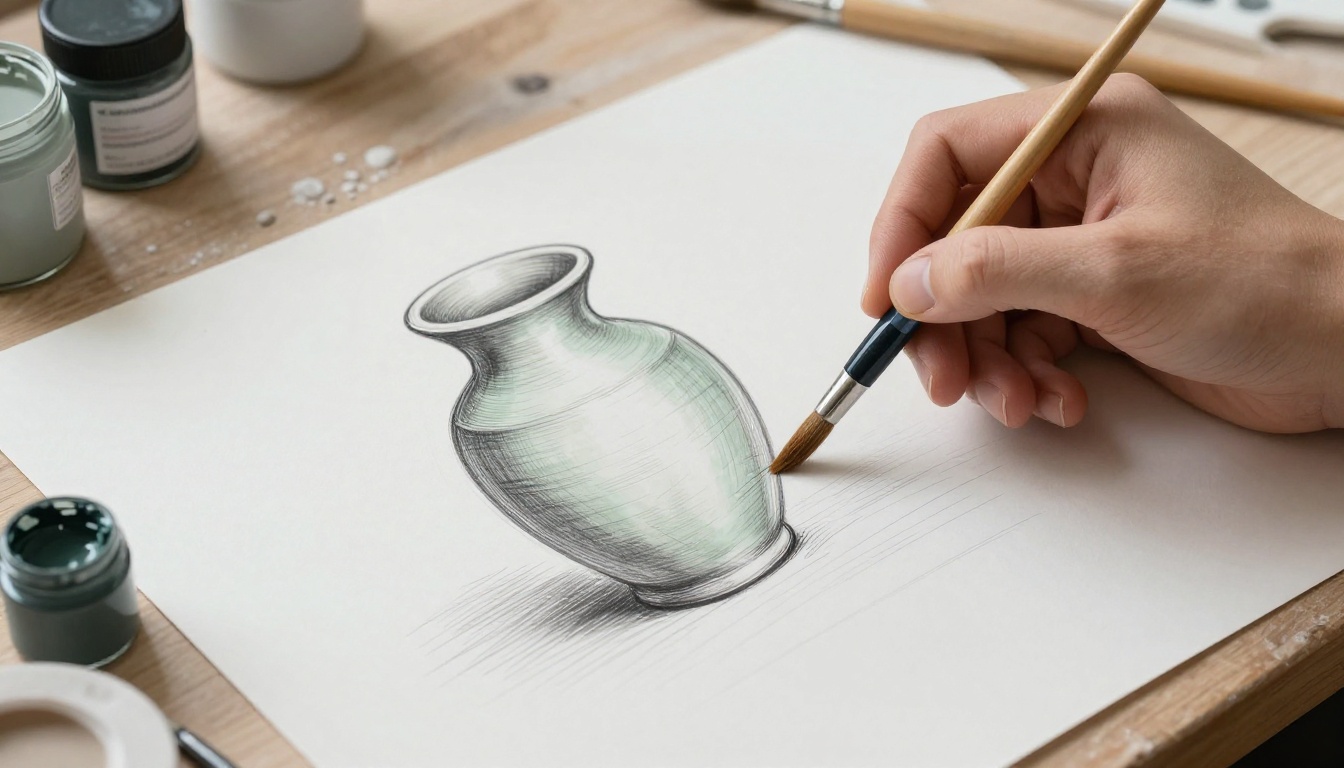
Picture this: You stand at a local pottery fair. A potter unveils a vase with sharp floral patterns in deep blues and reds. Shoppers crowd around. Everyone asks how she got those clean lines without smears. That potter used underglaze on greenware. Underglaze acts like colored clay slip you apply before the final glaze. Greenware means leather-hard, unfired clay pieces.
You want those results too. Applying underglaze to greenware lets colors soak in fast. No runs or blurs happen because the clay pulls it right in. You control every line and shape. This guide walks you through supplies, prep, techniques, tips, and firing. Follow these steps. Your next piece will turn heads.
Stock Up on These Essential Supplies First
Start with the right tools. They make applying underglaze to greenware simple and mess-free. Beginners pick affordable options first. Quality matters, but you don’t need pro prices.
Grab underglazes in your favorite colors. Brands like Amaco work well. They mix smooth and fire bright. Get a set of soft brushes, sizes 0 to 6. Small ones handle details. Larger ones cover areas fast. Brushes give you control over lines.
Add a slip trailer or squeeze bottle. It draws fine details. Sponges wipe excess and even out moisture. A rubber rib or scraper smooths bumps. Masking tape or paper creates clean edges. Stencils speed up patterns if you want repeats.
Keep a water bowl handy. Clean rags soak up spills. Safety comes first. Wear a dust mask and gloves. Underglaze powder irritates lungs and skin.
Here’s a quick list of must-haves:
- Underglazes: Velvety colors, jarred or bottled.
- Brushes: Synthetic, soft tips.
- Slip trailer: Bulb or bottle with fine tip.
- Sponges and ribs: Natural sea sponge, flexible rubber.
- Tape/stencils: Low-tack painter’s tape, mylar sheets.
- Safety gear: N95 mask, nitrile gloves.
These cost under $50 at most shops. Check Amaco’s underglaze guide for color tips. With them ready, you avoid mid-project runs to the store. Set up your workspace next.

Get Your Greenware Ready for Perfect Underglaze Adhesion
Greenware must hit the leather-hard stage. Clay feels firm but dents under pressure. It scratches easy. Too dry, and underglaze flakes off. Too wet, and it smears. Prep right for designs that stick.
Wrap pieces in plastic right away. This holds moisture even. Keep them out of direct sun. It dries clay too fast. Test often as you work.
Test the Ideal Leather-Hard Stage
Pinch the clay. It should give without crumbling. Scratch a line with a tool. The mark stays clean. No powdery edges.
If too dry, mist lightly with a spray bottle. Cover and wait 30 minutes. Too wet? Let air dry an hour. Check again. This step ensures underglaze bonds tight. Clean designs follow.
Clean and Smooth the Surface Gently
Wipe with a damp sponge. Remove dust or grog bits. Use the rubber rib on bumps. Light pressure works best.
Let it dry 10 minutes. Over-wet clay warps. A smooth base prevents bubbles under the color. Your patterns pop clear now.
Master Application Techniques for Sharp, Clean Lines
Pick a method that fits your design. Thin layers rule. They dry fast and stay precise. Work one section at a time. Expect 30 minutes per small piece.
Brush for broad areas. Trail for lines. Carve for depth. Stencil for repeats. Practice on scrap clay first.
Brush On for Smooth, Even Coverage
Mix underglaze to cream thickness. Dip the brush light. Stroke thin. Build two or three layers. Wipe edges right away with a damp sponge. Crisp borders form as it sets.
Trail Slip for Delicate Lines and Details
Fill the trailer with mixed underglaze. Practice squeezes on paper. Hold steady. Squeeze slow. A fine tip gives hair-thin lines.
Drips happen. Sponge them off fast. Clean lines reward patience here.

Carve Sgraffito for Intricate Patterns
Slap on a thick coat. Wait till firm, about 20 minutes. Carve through with a needle tool or loop. Reveal clay below.
Brush grooves clean. Depth adds contrast. Designs look etched and bold.
Stencil or Mask for Repeatable Precision
Cut shapes from paper or film. Tape tight to clay. Sponge or brush color over. Peel slow when tacky. No bleeds if dry enough.
Layer colors. Start with base shades. Align next stencils careful.
Pro Tips to Avoid Smudges and Nail Precision Every Time
Light your space bright. Shadows hide mistakes. Use a guide like a drawn line under paper. Work slow.
Clean errors with a sponge before dry. Thick layers crack. Aim thin. In April 2026, spring humidity drops fast. Dry times shorten to hours.
Test on scrap always. See how colors shift.
Masking Tricks for Straight Edges and Shapes
Apply tape to damp clay. Rub it down. Let partial dry. Peel for sharp lifts. Wax resist works too. Dot it on. Paint over. It repels color.
Layer Colors Without Muddy Results
Wait full dry between coats. Dark under light. Test tiles show true combos. No mud follows.
See Ceramic Arts Network’s layering tips for more ideas.
Dry, Fire, and Glaze for a Professional Finish
Air dry slow under plastic. Two days for thick pieces. Bisque fire to cone 04. Ramp slow: 200F per hour to 400F. Hold one hour. Cool full.
Glaze with clear coat. Thin it out. Brush even. Undergaze shows true under transparent. Fire to cone 6.
Warps mean fast dry. Color fades from thick glaze. Adjust next time. Display your piece proud. It shines.

You now know how to apply underglaze to greenware. Supplies set you up. Prep locks in adhesion. Techniques build sharp designs. Tips dodge pitfalls. Firing seals the deal.
Benefits shine through. Colors stay vibrant. Lines stay crisp. Your pots stand out.
Grab your clay today. Try a simple pattern. Share photos in the comments. What design will you make first? Experiment. Results amaze.
Quick FAQ: Can you fix mistakes? Yes, sponge off before it dries. For advanced sgraffito, check related guides.