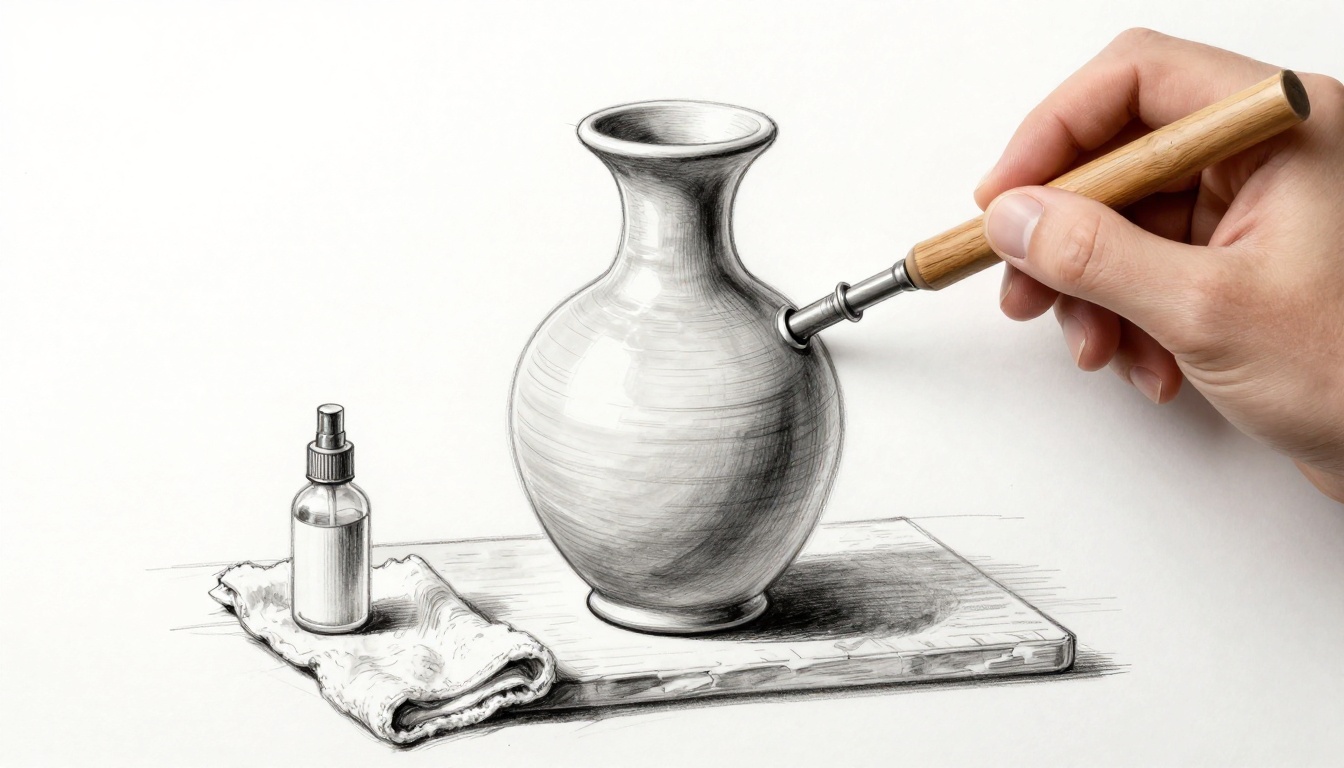
You shape a smooth pot body. Then you attach the handle with care. Excitement builds as it sits firm. But the next morning, a jagged crack splits the join right open. That heartbreak hits every potter at some point.
Clay joins happen where you connect wet clay pieces, like handles to pots or coils to bases. As clay dries, it shrinks. This creates stress at those joins. If moisture or bonds differ, cracks form fast.
Don’t worry. You can stop this with simple steps. Beginners and pros alike get strong results. We’ll cover causes first. Then prep, joining techniques, drying setups, and fixes. Follow along, and your pieces stay whole.
Pinpoint Why Clay Joins Crack So You Can Stop It Early
Cracks start from basic issues in drying. Clay loses water and shrinks by 5 to 15 percent. Joins fail when shrinkage pulls unevenly. Spot these causes early, and you save work.
Think of clay like bread dough. It contracts as it firms up. Weak spots tear first. Hairline cracks or bulges signal trouble. Check daily to catch them.
Potters often blame bad clay. But most times, it’s how pieces dry or bond.
Uneven Drying Rates That Pull Joins Apart
Surfaces dry quicker than insides. This shrinks the outside first. Tension builds at joins. Low humidity or fans speed it up.
Touch your piece. If the surface feels firm but the inside stays soft, slow it down. In April’s spring weather, humidity swings make this worse. Cover loosely at first.
One potter shared online how a fan wrecked her mug handle overnight. Even drying prevents that pull.
Weak Bonds from Skipping Proper Scoring
Scoring scratches the clay for grip. It creates rough “teeth.” Slip fills those for hold. Skip it, and pieces slip apart as they shrink.
Shallow scratches won’t do. They let slip dry too fast. No bond forms. Always score both surfaces deeply.
Thickness Differences Stressing the Seam
Thick areas hold moisture longer. Thin spots dry fast. This warps the join.
Match thicknesses close. A 1-inch thick base with a 1/4-inch handle stresses the seam. Trim extras before joining. Even pieces shrink together.

For details on testing clay shrinkage rates, check supplier data. Aim under 10 percent for stability.
Prep Your Clay and Slip for Rock-Solid Joins
Good prep builds strength. Start with the right clay. Make slip that matches. Fresh materials dry predictably. Old clay acts wild.
Tools help too. Grab a fork or serrated rib for scoring. Use a brush for slip. A rubber rib smooths seams.
Follow this routine each time. Your joins hold better from the start.
Pick Clay That Dries Evenly Without Drama
Choose mid-fire stoneware or earthenware. They shrink steadily. Check specs for low rates.
Test small batches. Fire test bars. Measure shrinkage. Stable clay reduces join stress.
Suppliers list rates online. Pick consistent batches. Avoid wild cards.
Whip Up Slip That Actually Sticks
Blend your clay body with water. Aim for yogurt thickness. One part dry clay to enough water works.
Mix smooth. Let it age overnight. Better bonds form.
Test it. Join scrap pieces. Bend after 10 minutes. If it holds, you’re set.
Use the same clay as your piece. Mismatched slip pulls apart.
Here’s a quick recipe:
- 1 cup dry clay powder
- Water to thick paste
- Blend 5 minutes
- Rest 12 hours
This matches shrinkage perfectly.
Potters swear by homemade slip over store-bought. It grips tighter.
Score, Slip, and Press Joins That Last Through Drying
Now join right. Score deep. Add slip. Press firm. This creates locks that survive drying.
Crosshatch scratches at 45 degrees. Go 1/8 inch deep. Paint thick slip. Overlap edges a bit. Compress to push air out.
Smooth the seam. No lumps show. Bonds form mechanically and chemically.
Common mistake: watery slip. It weakens fast. Keep it stiff.
Pro tip: vibrate gently. Bubbles escape. Stronger hold results.
Score Deep Enough for Real Grip
Use a fork or tool. Angle it. Scratch both sides.
Depth matches slip layer. Practice on tiles. Feel the bite.
Poor scoring fails here. Deep ones lock in.
Layer and Press Slip for Seamless Strength
Brush generous slip. Knead edges together. Tug after 10 minutes to check.
No seam shows. Press from inside out. Air flees.
This beats cracks every time.

See a video on attaching handles for visual steps.
Set Up Drying That Keeps Cracks at Bay
Slow drying wins. Aim for 60-70 percent humidity. Keep temps at 65-75 degrees F. No sun or drafts hit directly.
Cover with plastic 24-48 hours. Slows the start. Uncover gradually. Rotate daily for evenness.
In April 2026, US spring humidity helps. But rain swings dry unevenly. Use a hygrometer. Cheap ones work fine.
Monitor progress. Leather hard in 3-7 days suits most.
Build a Drying Chamber at Home
Plastic bins or bags over shelves do it. Poke holes day two. Air swaps slowly.
No fancy gear needed. This evens moisture.
Balance Humidity and Airflow Just Right
Mist if dry. Low fan if muggy. Steady progress avoids tension.
Large pieces take longer. Patience pays.
Handle Thick Pieces and Joins with Care
Hollow thick spots. Dry flat with support. Extra plastic guards joins.
Refine shapes first. Less stress follows.

Spot and Fix Cracks Before They Ruin Your Work
Check daily. Look for lines. Feel separations.
Early cracks fix easy. Re-score. Add slip. Compress.
At leather hard, slurry sometimes saves it. Bisque stage? Tougher, but try.
Consistency prevents most. Habits beat fixes.
Myth: tight wraps cause mold. Loose covers work best.
Share your fixes in comments. What works for you?
Pull It All Together for Crack-Free Clay
Know causes like uneven drying and weak bonds. Prep matching clay and slip. Score, slip, press right. Dry slow in controlled spots. Check often.
These steps make your next piece strong. No more heartbreak.
Try them on one project this week. Snap photos of your joins. Drop questions below. Subscribe for more pottery tips.
Happy potting brings joy to every bowl you finish.